The soul of the festival
When the whole street rejoices
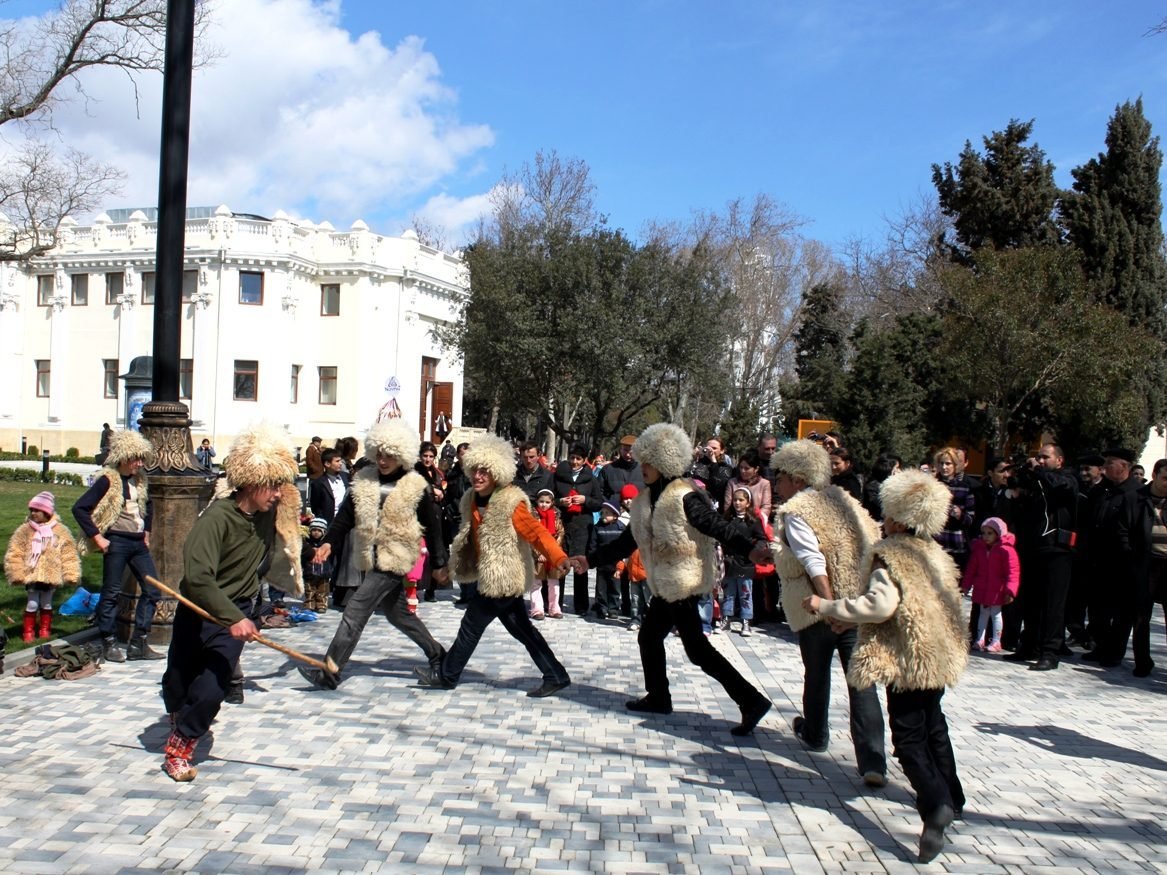
Novruz is not only rites but loud, nationwide merriment. In the squares and yards the drum and zurna sound, performers appear, pehlivans wrestle, and children run from house to house for sweets.
The main heroes of the street theatre are Kosa and Keçəl, comic characters who “call in” spring with songs and jokes. Everyone knows and loves their sketches.
And in the evenings comes the time for fortune-telling, visiting and reconciliation: at Novruz it is the custom to forgive grievances and wish one another a happy year.
Kosa and Keçəl
Folk comic characters: Kosa (the beardless) and Keçəl (the bald) act out scenes of the coming of spring.
Music and dance
Zurna, naghara and folk songs set the rhythm of the festival; in the squares people dance the yallı and form round dances.
Pehlivans
Strongman pehlivans wrestle and perform feats, while tightrope walkers balance above the square.
Fortune-telling
Girls tell their fortunes: they eavesdrop at neighbours' doors, drop a ring into a jug and interpret what they hear.
A cap at the door
Children secretly knock on doors and leave a cap or basket, and the hosts fill it with sweets.
Guests and forgiveness
During Novruz people visit one another, call on their elders, make peace and wish prosperity in the new year.
 Festival evening
Squares and yards
A festival for everyone
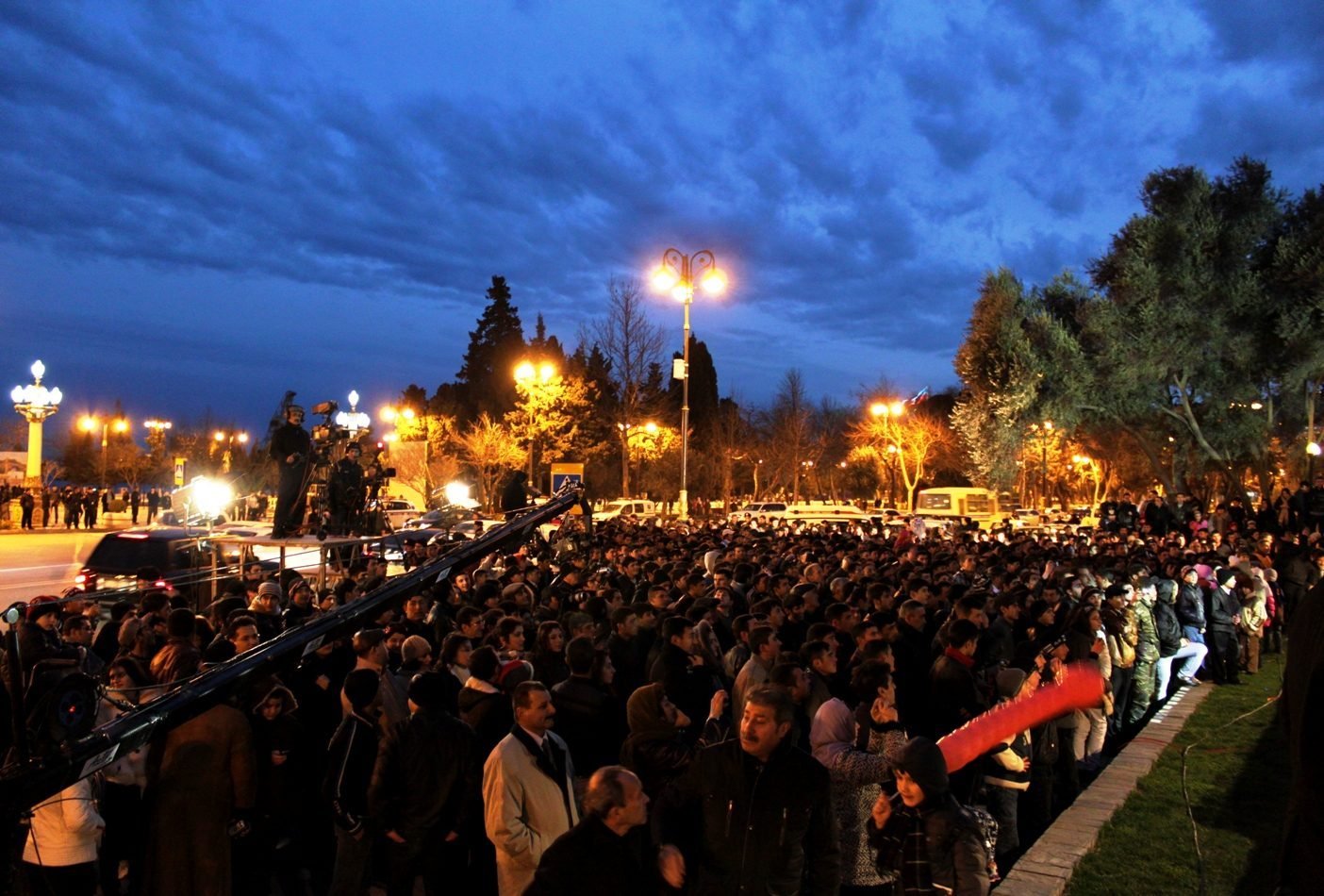
In the evening towns and villages come out into the streets: lights burn, music plays, and concerts and folk festivities fill the squares. Novruz unites neighbours and strangers.
It is a festival of togetherness: at the shared table and the shared bonfire there are no strangers — everyone greets the spring together.