A special project created with the support of the Jewish news portal · We sincerely love Azerbaijan — our Homeland, its people, culture, history and unique diversity.
Novruz
RUAZENHE
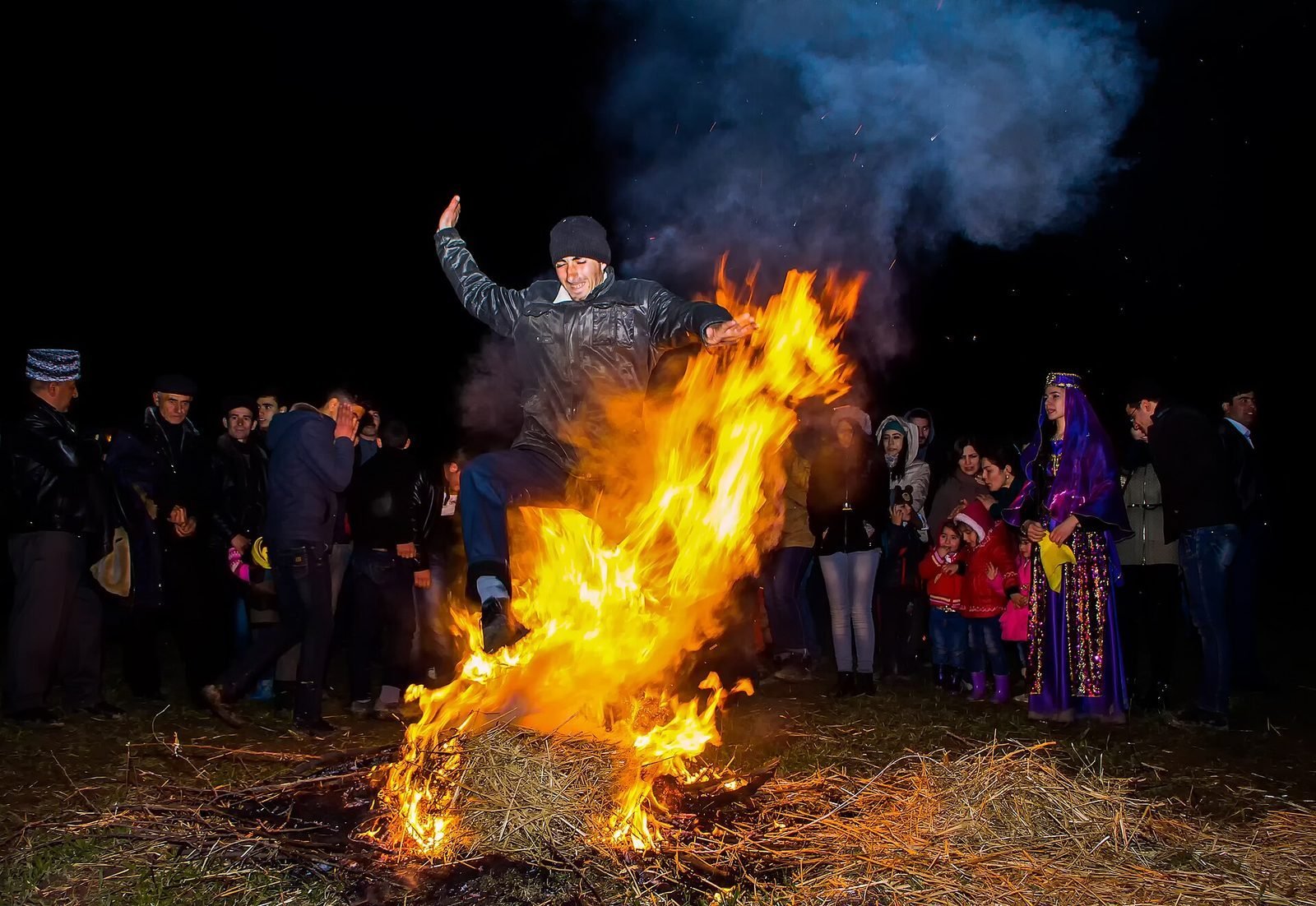
Прыжок через костёр на Новруз Байрам
Azerbaijan · festival of springUNESCO heritage

Novruz BayramThe festival of the spring equinox, of fire and renewal — the brightest day of the year

When day equals night, Novruz arrives: bonfires burn, the səməni turns green, and on the table stands the khoncha with its sweets. The most ancient festival of spring and the new year.

Scroll

About the festival

A festival in which nature and people begin the year anew.

Novruz Bayram is the festival of spring and the new year, celebrated on the day of the vernal equinox, around 21 March. Its name means “new day”: the year begins together with the awakening of nature.

It is one of the oldest festivals in the world, rooted in Zoroastrian antiquity. In Azerbaijan, Novruz is the main folk festival, beloved by adults and children alike.

People prepare for Novruz in advance: they sprout səməni, clean the house, make peace with loved ones, bake sweets and set the khoncha — the festive tray. Four pre-Novruz Tuesdays awaken water, fire, wind and earth.

Novruz is a shared festival of many peoples from the Caucasus to Central Asia. In 2009 it was inscribed on the UNESCO list of intangible heritage, and on 21 March the UN marks the International Day of Nowruz.

In brief

Novruz in a few traits

21 Marchthe vernal equinox — the start of the year
2009on the UNESCO heritage list
4sacred Tuesdays: water, fire, wind, earth
Səmənisprouted wheat — a symbol of spring and life

How Novruz arrives

The road to the festival

In the weeks before the equinox each Tuesday awakens its element, and on the eve of Novruz the bonfires blaze.
Weeks before
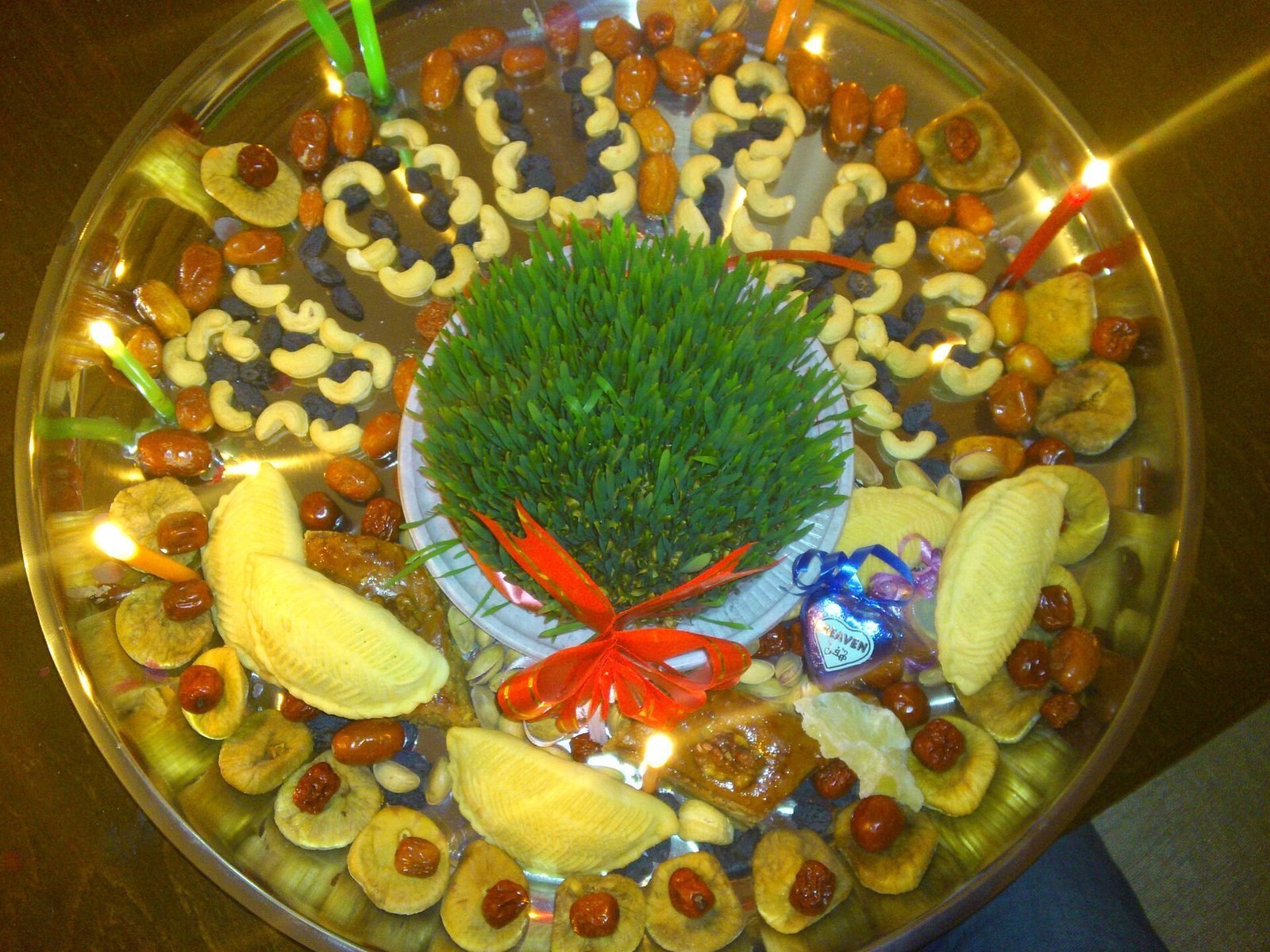
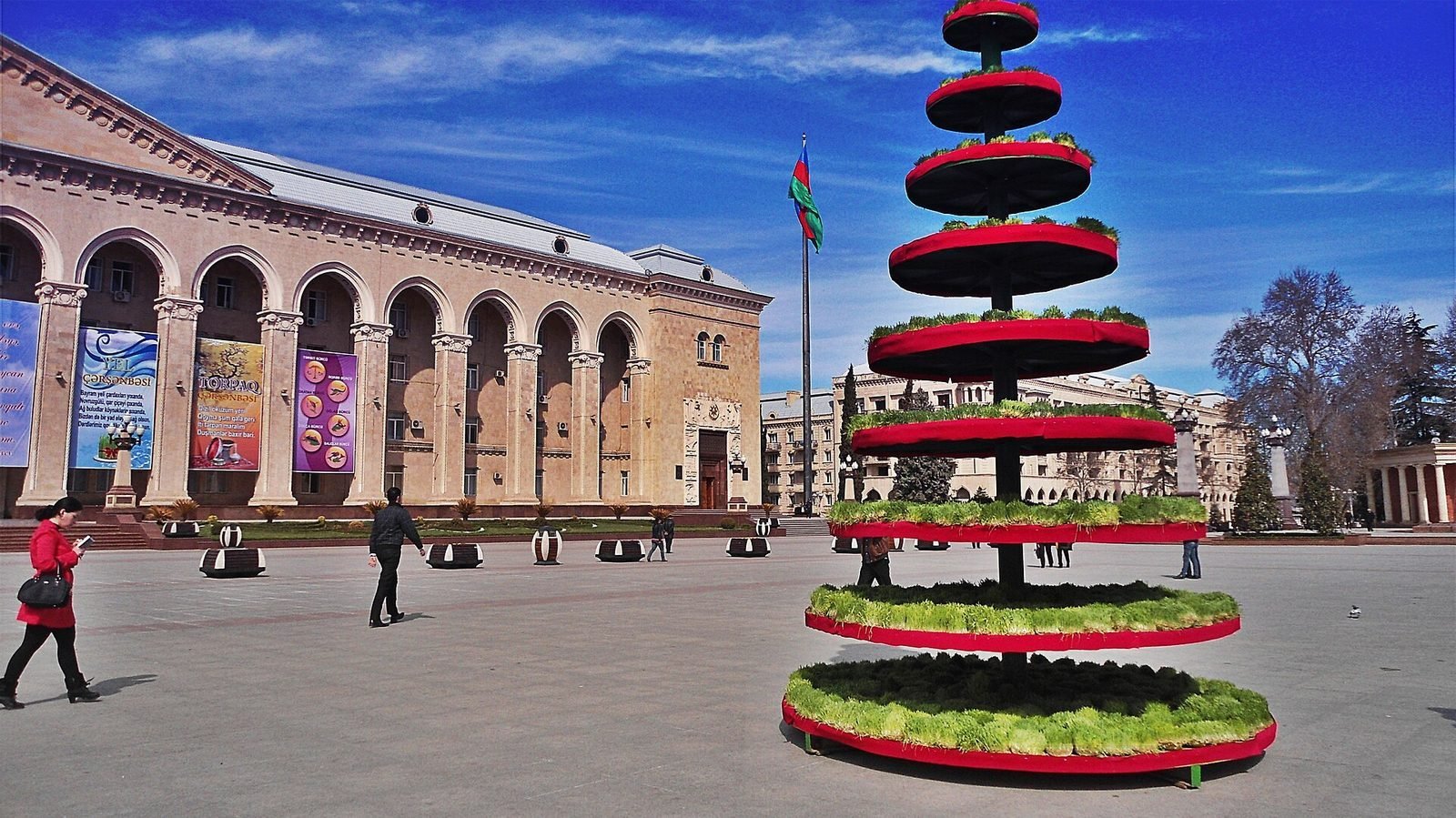
On a dish, səməni — grains of wheat — are sprouted; the green shoots will become the heart of the festive table.
Tuesday of Water
Su çərşənbəsi: water awakens. By custom people leap over a stream and renew the water in the house.
Tuesday of Fire
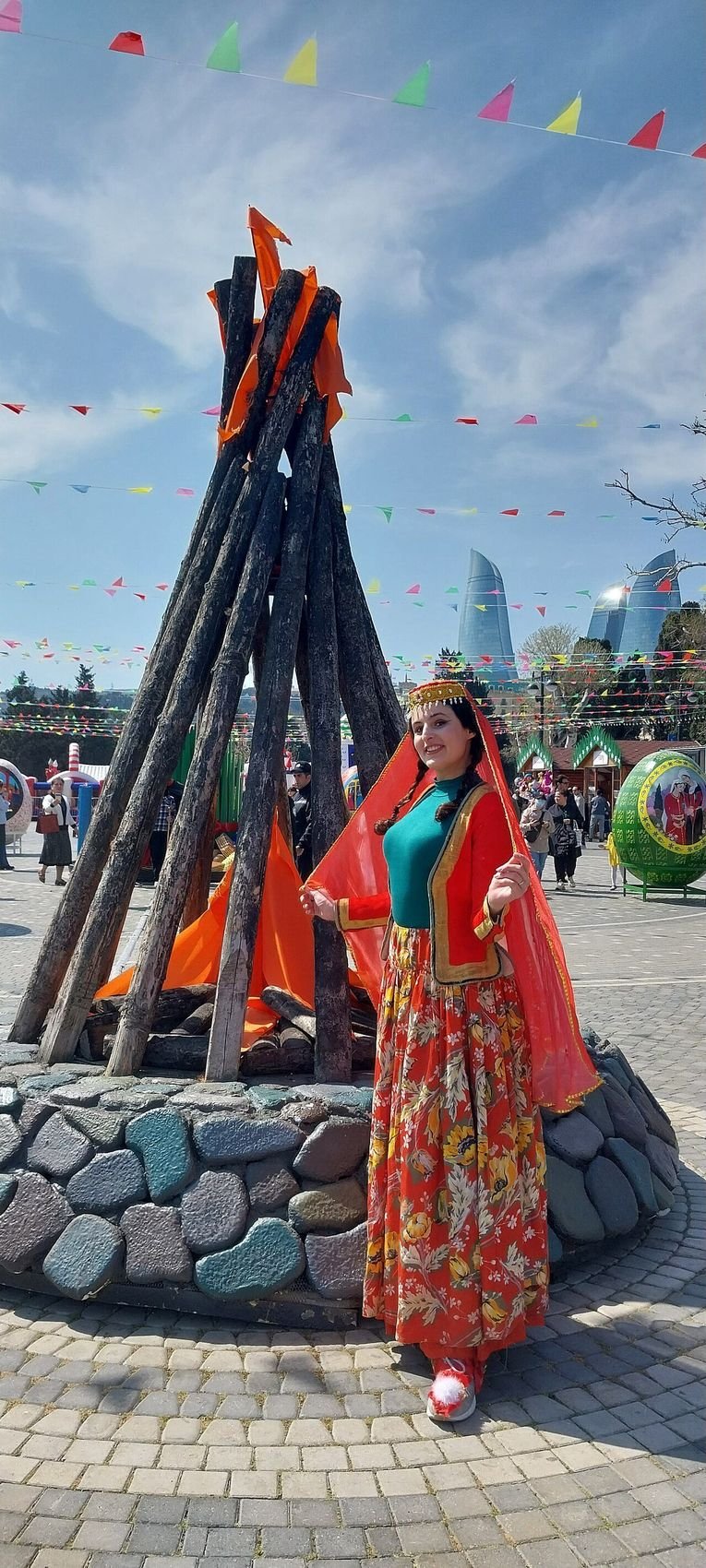
Od çərşənbəsi: fire awakens. Bonfires are lit — a symbol of warmth, light and purification.
Tuesday of Wind
Yel çərşənbəsi: the wind rises, carrying warmth and waking the sleeping nature.
Tuesday of Earth
Torpaq çərşənbəsi: the earth comes alive, ready to give birth. It is the last Tuesday before Novruz.
Novruz Eve
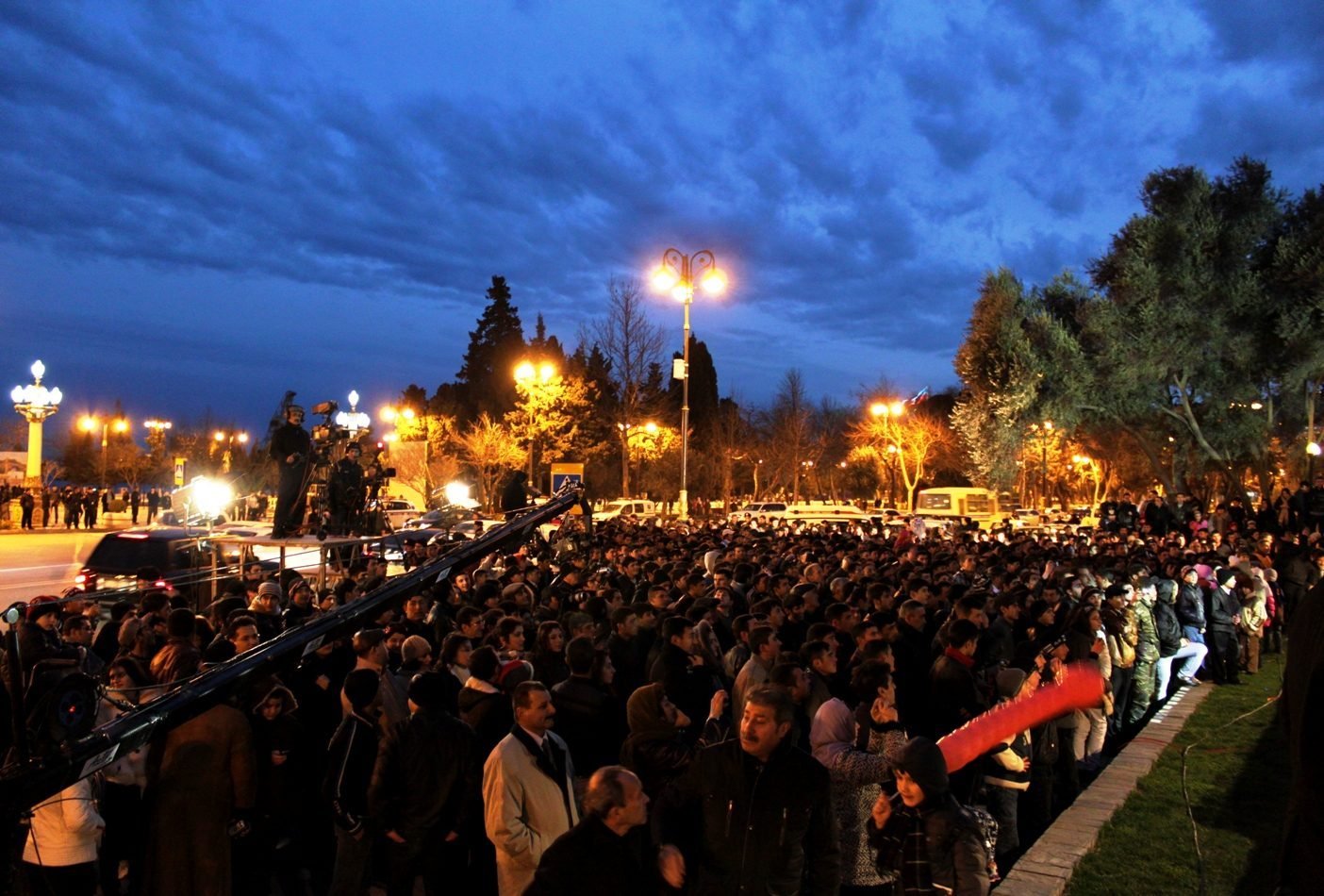
In the evening great bonfires burn; people leap over them, leaving their troubles in the flames, while the khoncha with its candles stands on the table.
21 March
The equinox comes — Novruz arrives. The days of visiting, merriment and greetings begin.
Праздничный костёр НоврузаFour elements

Four Tuesdays

Water, fire, wind, earth

The month before Novruz is marked by four Tuesdays. Each is devoted to its element — water, fire, wind and earth — and together they wake nature from its winter sleep.

The last, the Tuesday of Earth, opens the road to the festival: the earth is ready to give new life.
Four Tuesdays →

Хонча — праздничный поднос НоврузаKhoncha

The festive table

Səməni, khoncha and sweets

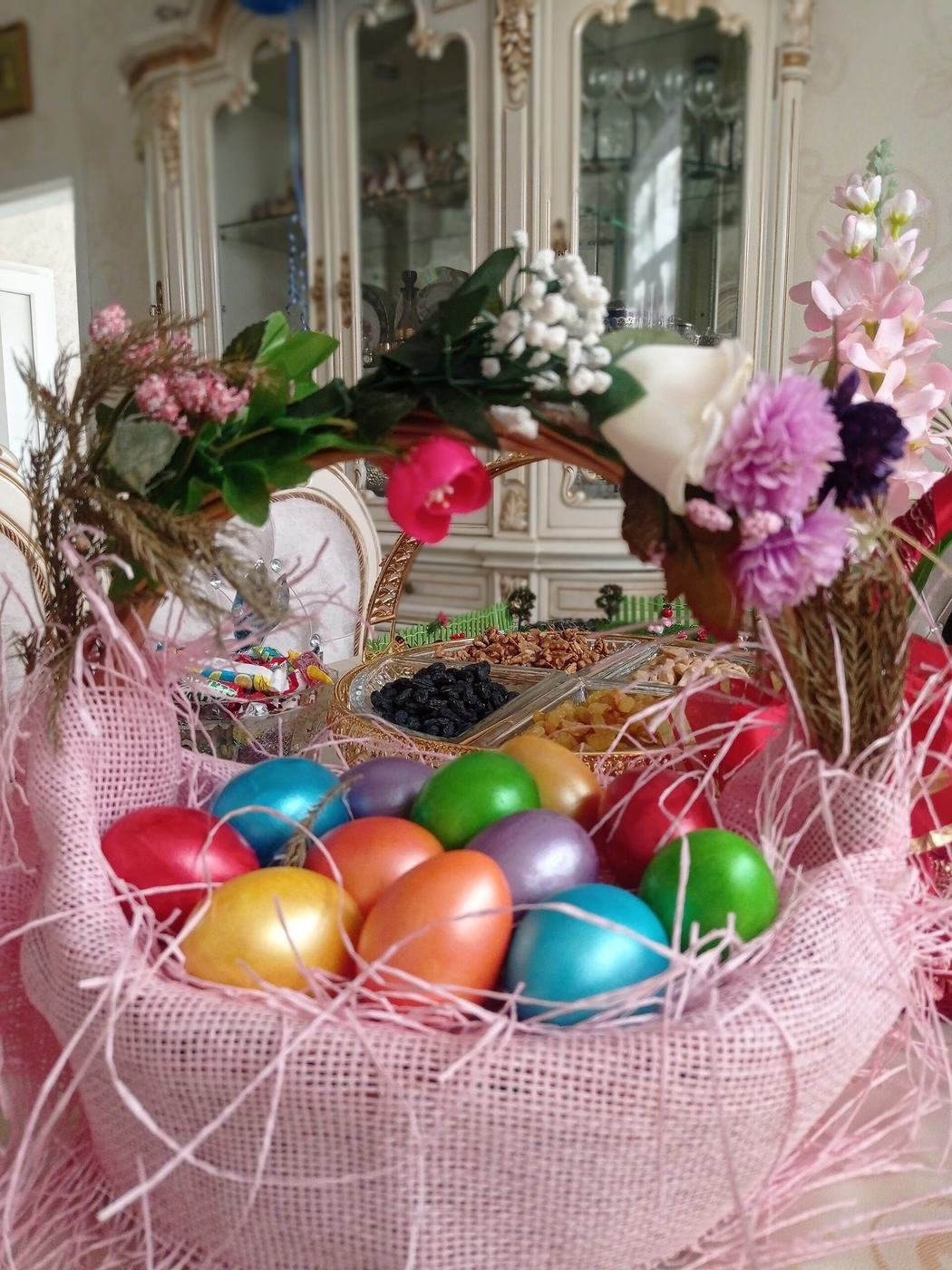
At the centre of the table stands the khoncha, a tray with sprouted səməni, candles for each member of the household, dyed eggs and a mountain of sweets: pakhlava, shekerbura, gogal.

Every object on the khoncha carries meaning: səməni is life, the candle is light, the egg is the birth of the new.
Khoncha & səməni →

“Leap over the bonfire — and let all the troubles of the old year burn in the flames.”

The night of Novruz bonfires
Народные гулянья на НоврузKosa and Keçəl

Customs and merriment

Music, games and jokes

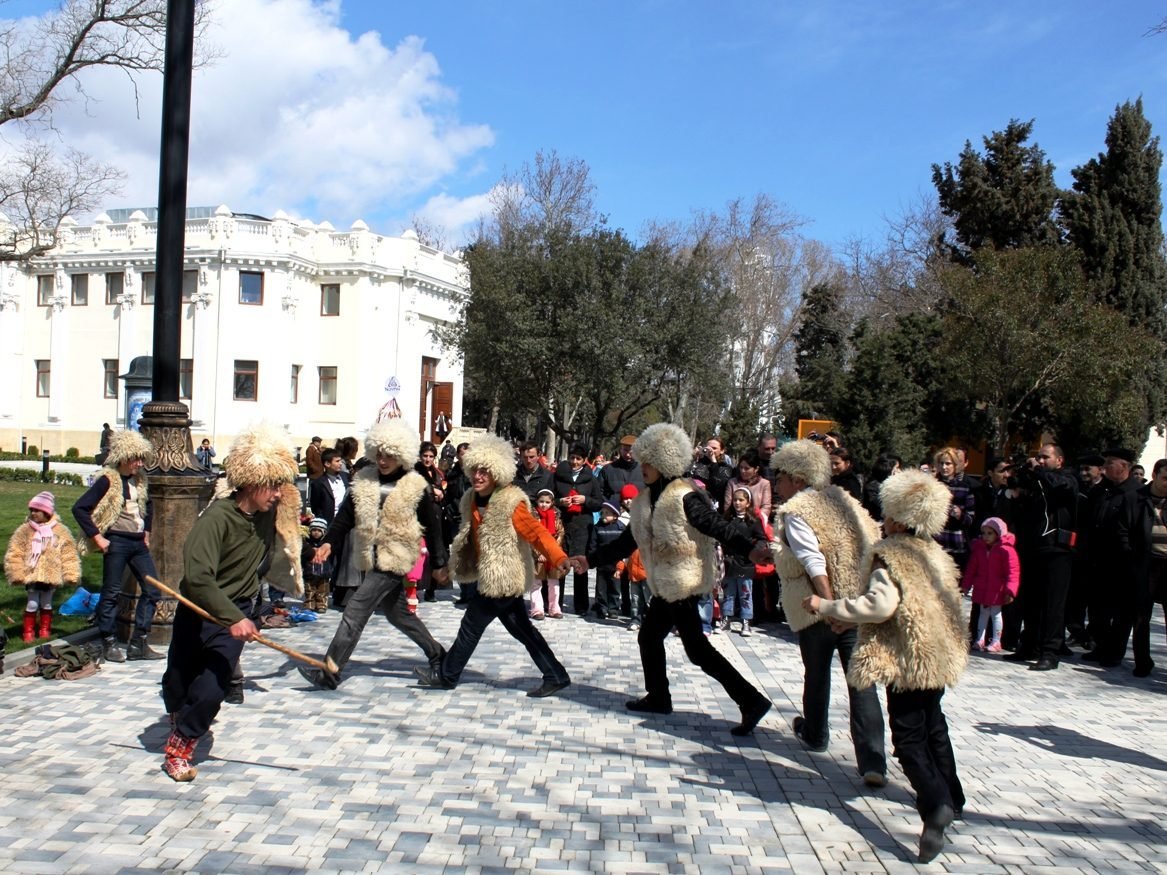
Novruz is merriment: in the squares Kosa and Keçəl perform, pehlivans wrestle, drums and zurna sound. Children knock on doors and receive sweets.

In the evenings people tell fortunes, visit one another, make peace and wish each other a happy year.
Customs →

Новруз в современном городеA festival for all

Today

A shared festival of spring

Today Novruz is a state holiday of Azerbaijan and a shared festival of dozens of peoples. Cities are decorated, stages are set up, concerts and folk festivities are held.

The ancient rite lives on in the present, uniting generations around spring and hope.

Novruz today →

Questions & answers

Novruz in brief

What is Novruz Bayram?
Novruz Bayram is the ancient festival of spring and the new year, celebrated on the day of the vernal equinox. Its name means “new day”; it is the main folk festival of Azerbaijan, shared by many peoples of the region.
When is Novruz celebrated?
Novruz is celebrated on the day of the vernal equinox, around 20–21 March. In Azerbaijan these are public holidays; on 21 March the UN marks the International Day of Nowruz.
What are the four Tuesdays?
The four pre-Novruz Tuesdays (axır çərşənbələr) are devoted to the awakening of the elements: Water, Fire, Wind and Earth. Each Tuesday has its own rites and brings spring closer.
What are səməni and khoncha?
Səməni is sprouted grains of wheat, a symbol of spring and life. The khoncha is the festive tray, with səməni placed at its centre and candles, dyed eggs and sweets around it.
Why do people jump over the bonfire?
On the eve of Novruz bonfires are lit and people leap over them, leaving in the fire the troubles and burdens of the passing year. Fire is seen as a symbol of purification, warmth and light.
Is Novruz recognised by UNESCO?
Yes. In 2009 Novruz was inscribed on the UNESCO Representative List of the Intangible Cultural Heritage of Humanity (extended in 2016) as a festival that unites many peoples.